How do you really feel in relation to Preventing Water Damage in the Bathroom?

The restroom is extremely vulnerable for moist build-up as well as prospective water damage due to the frequent use of water in it. This article offers simple examination strategies to aid discovering water damage risks.
The constant use water in the washroom makes it extremely at risk for wet buildup and also possible water damages. By evaluating it consistently, you can minimize water associated damages.
The adhering to collection of examinations is very easy to do as well as ought to be done when in every three months in order to keep your bathroom healthy and also to avoid potential water problems caused by the bathtub, the shower, pipeline joints as well as plumbing, sinks, cabinets, and also the bathroom
Do not overlook performing these assessments and be thorough while executing them. Keep in mind that these straightforward assessments can conserve you a great deal of money by providing very early signs for water damage
Sinks and Cabinets
Sinks and also cupboards are subjected to moisture and also moisture everyday and are frequently forgotten. Check frequently under the sink and also on the kitchen counter above it. Fix any type of drip in the trap as it might suggest drain troubles. Take a look around the sink, slow draining pipelines may indicate an obstructed drain. Change sink seals if they are broken or loose.
Tub and Shower
The shower and also tub call for special focus and upkeep. Check the ceramic tiles and also replace if fractured. Ensure that there is no missing out on grout in between the floor tiles. Examine and also change cracked caulking at joints where the wall surfaces fulfill the floor or the bath tub. Blocked drains pipes and pipelines problems will certainly prevent the bath tub from drying and also may suggest serious troubles below the bath tub. Speak with a specialist instantly to avoid structural damage. Take notice of discolorations or soft locations around the bathtub walls as they might indicate an internal leak.
Plumbing
Signs for water damages are hard to find since many pipelines are mounted inside the walls.
Pay unique focus to flooring as well as wall surfaces dampness and also discolorations as they may indicate an undetectable plumbing trouble. Examine moisture levels in adjoining spaces too.
The Commode
The bathroom is an at risk water junction. Examine the water lines and search for leakages around the commode seat, in the hose, and under the water storage tank. If you identify any signs of wetness on the flooring around the commode, check for leaks in the toilet rim and storage tank seals.
Know that hanging commode dish deodorants enhances the possibilities for blockages.
Water Damage Signs In The Bathroom To Avoid Cleanup
Musty smell
This is one of the easiest signs to catch because musty smells are so odorous. The damp, earthy, moldy smell should be a big red flag. The smell will develop when moisture gets trapped in surfaces, and begins to facilitate mold growth. Leaking pipes under cabinets, inside walls, and behind shower fixtures will cause moisture to stay trapped and not dry, which will lead to mold growth and spread. As soon as you notice any musty smells in your bathroom, have it checked for hidden water damage and cleanup signs.
Visible mold
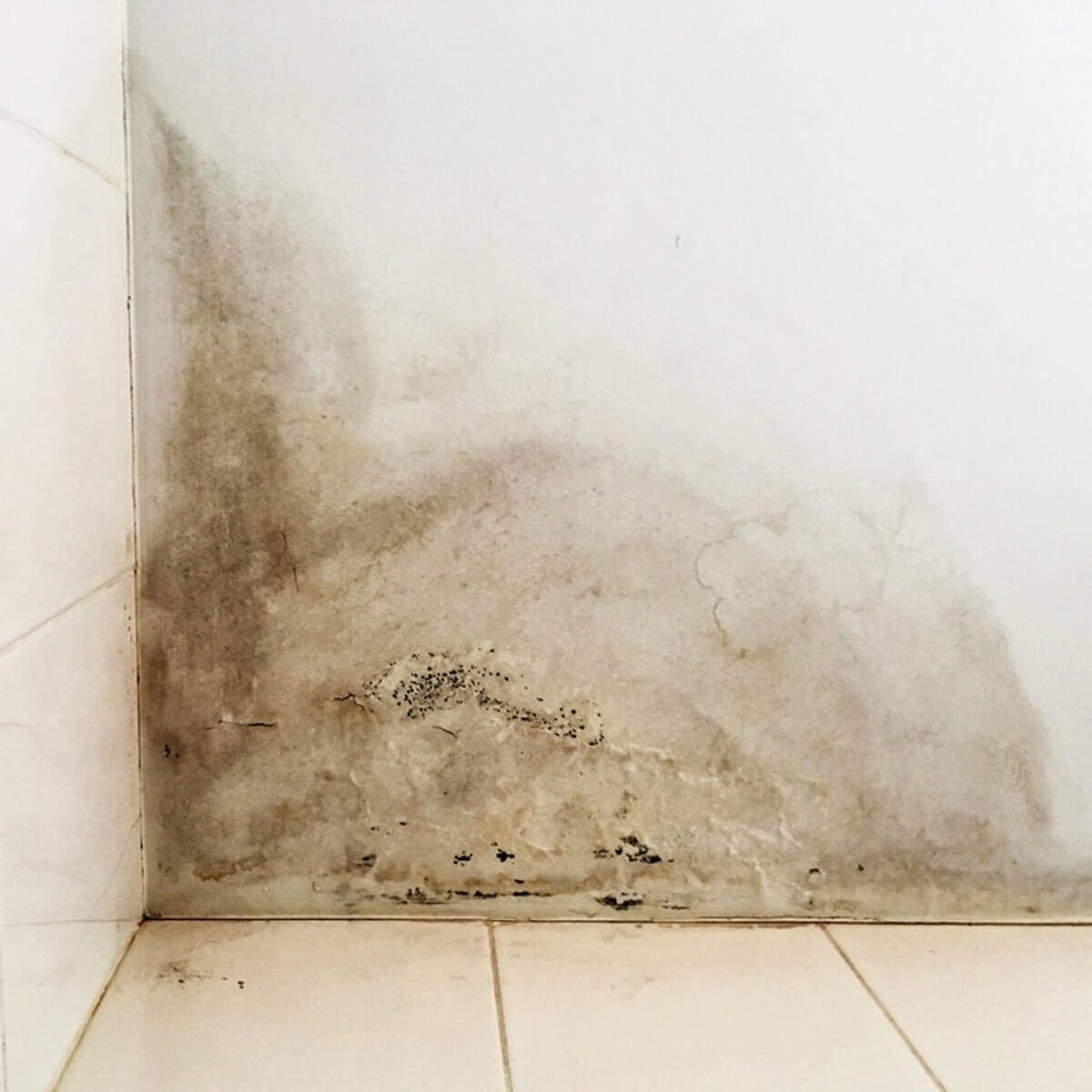
If the smell isn’t there to give it away, sometimes you will actually see mold growth. Finding mold in your bathroom is a serious problem, because mold is very harmful to your health. By the time mold growth is visible, it also means that water damage has already occurred and been present for some time. The only way the mold problem can be resolved is to find the source of the moisture and get it stopped. To safely and adequately remove mold, you need to have professionals handle the remediation. Do not waste any time in getting mold problems addressed, fixed, and sanitized so that you can protect you and your family from the many respiratory symptoms caused by mold exposure.
Damaged floors
Bathroom floors should be able to withstand some exposure to water while still remaining in good condition. However, when excess exposure or water leaks occur, they will begin to damage even the most water-resistant flooring. If you notice any cracking, bubbling, staining, or warping on your bathroom floors, there is probably a water leak somewhere causing the distortion. If you notice areas of the floor have become softer, or even have a spongy feeling, there is probably damage to the subfloor. Subflooring is typically made up of plywood. When plywood is exposed to water or moisture, it will absorb it. Once it has become saturated, the weight of the excess water will cause the wood to swell and soften. Check the floors in your bathroom frequently to catch any of these sings before they lead to damaged subflooring.
Changes on walls
When water leaks behind walls, it will cause changes in the drywall. Peeling plaster, blistering paint, and soggy wallpaper are all good indicators that excess water is building up behind the wall. Water leaking behind drywall will cause it to swell and be soft to the tough. If you start to notice gaps along the trim of your walls, or where tile meets the wall, it could also be a strong indicator that there is a leak behind the wall. Any changes, distortion, or damage on the walls should be evaluated as soon as you notice it to prevent further water damage and cleanup.
I discovered that write up about Looking for Signs of Water Damage in the Bathroom when scouting around the search engines. Be sure to take a moment to distribute this content if you enjoyed reading it. We take joy in reading our article about Common Causes of Water Damage in a Bathroom.
Book-Now